
 Nordica MacCarty
Tier 3 Biomass Stoves
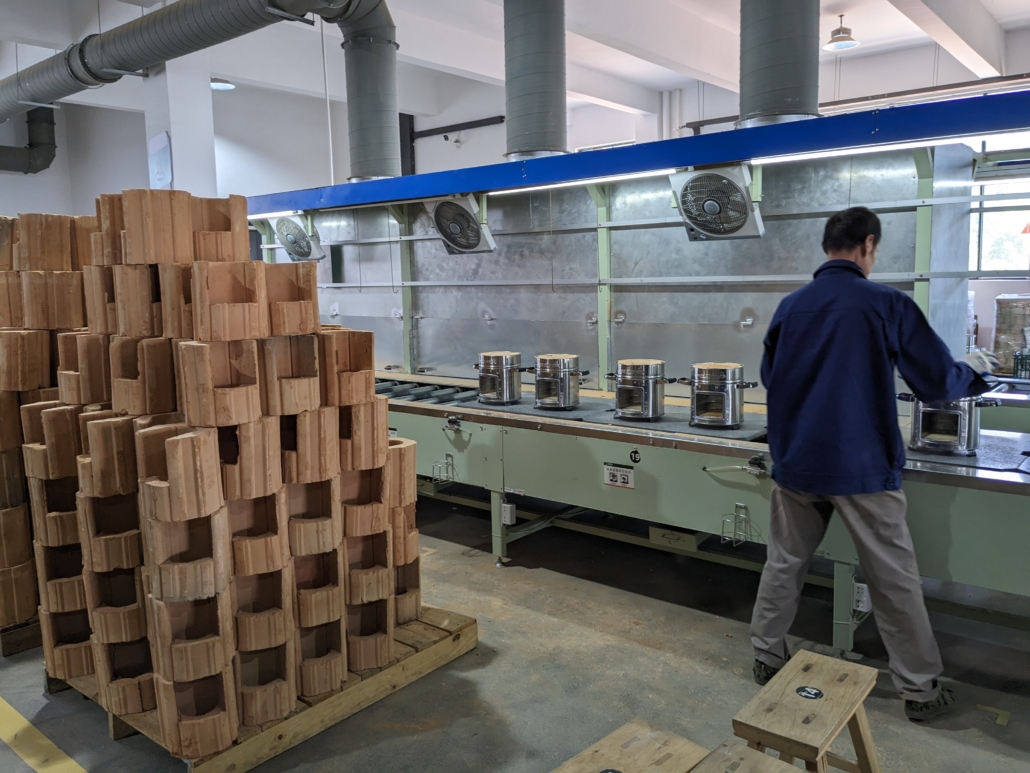
To reach multiple, interlinked Sustainable Development Goals, the UN advises that “the share of the population mainly using improved cooking solutions like low-emission biomass stoves reaching Tier 3* or better needs to increase to 35 percent by 2030.” (ACHIEVING UNIVERSAL ACCESS AND NET-ZERO EMISSIONS BY 2050: A Global Roadmap for Just and Inclusive Clean Cooking Transition, United Nations, 2023)
Well, that would be a very welcome change. The stove community has been trying to bring improved stoves into use for decades. Luckily, we are starting to know a lot more about how to improve stoves and increase market share: To make Tier 3 stoves successfully compete with traditional stoves. Much better stoves must be as loved by cooks while they make profit for factories, distributors, retailers, and, if lucky, for carbon developer and markets.
It may be that the most important missing link has been that, without carbon revenue, Tier 3 stoves have been too expensive. However, since the prices of avoided tons of CO2 have been fluctuating, a lot of folks have been exploring ways to sell Tier 3 biomass stoves without this subsidy.
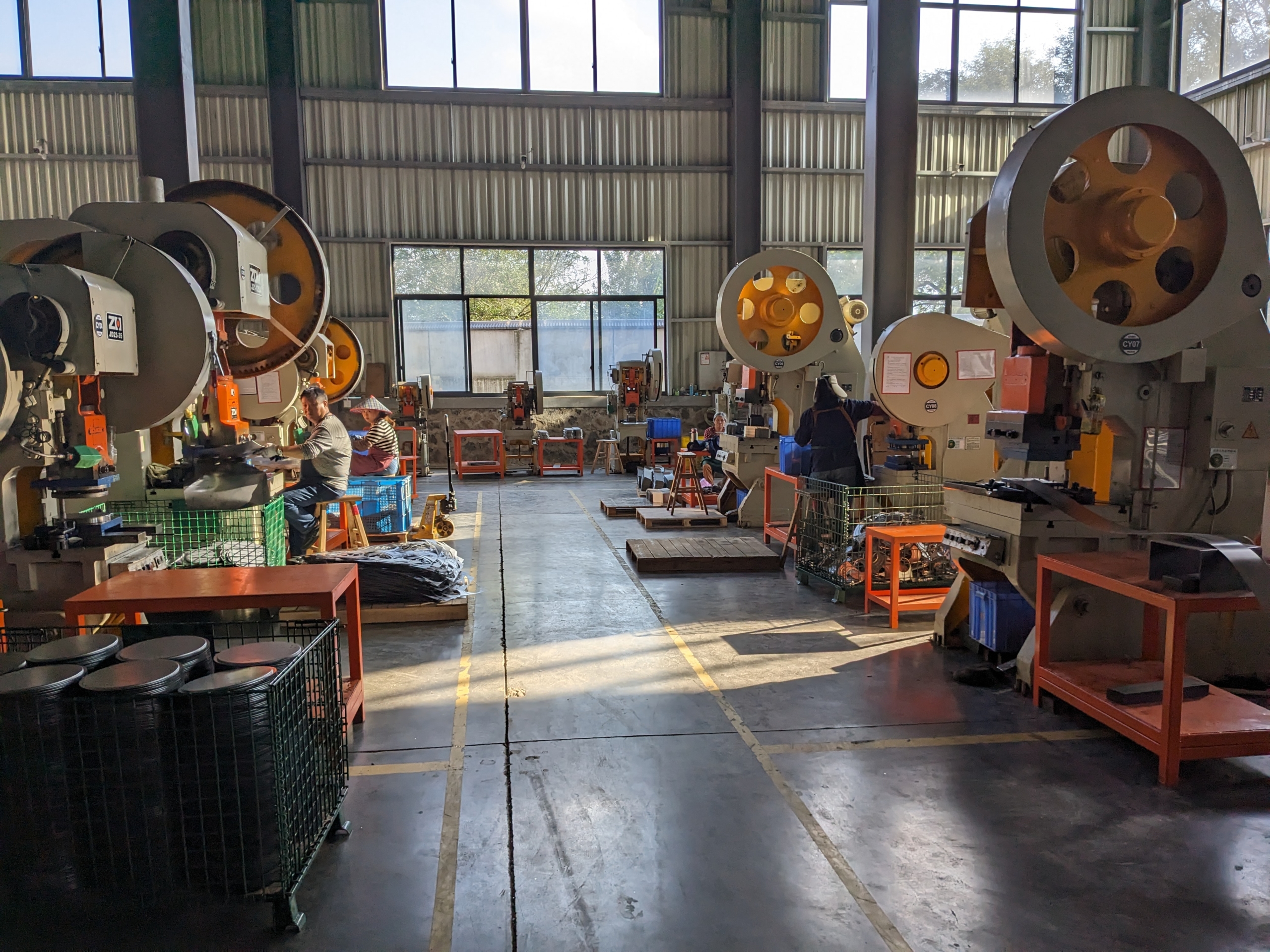
Over the years, stakeholders (including the DOE, Shell Foundation, the European Union) have commented that substantial price reductions are possible by using less expensive materials, with design changes, more efficient production at scale, tariff reductions, decreases in the cost of transportation, and distribution with higher volume sales. As 2026 begins, the combination of factors seems to be bringing market driven Tier 3 (or even Tier 4) stoves closer to reality.
Getting better products in use is occurring on a massive scale globally.
Let’s include good stoves.
*Biomass cookstove Tiers of Performance range from Tier 0 (worst) to Tier 5 (best). They are determined by using a standard test sequence (ISO 19867) that establishes international comparability in measurement of cookstove emissions and efficiency. Tiered Metrics include thermal efficiency, and levels of CO, CO2 and PM2.5.


Leave a Reply
Want to join the discussion?Feel free to contribute!