
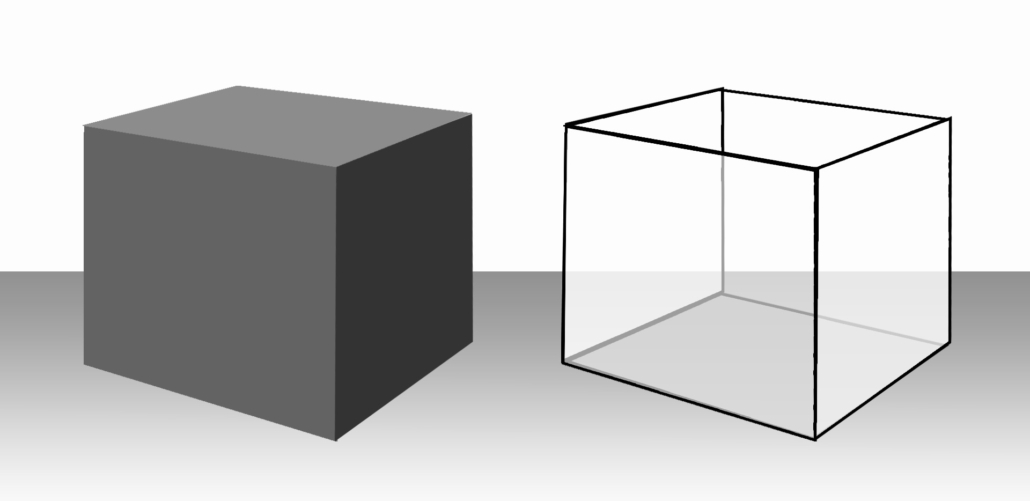
Using Black Box and Open Box Experimental Design
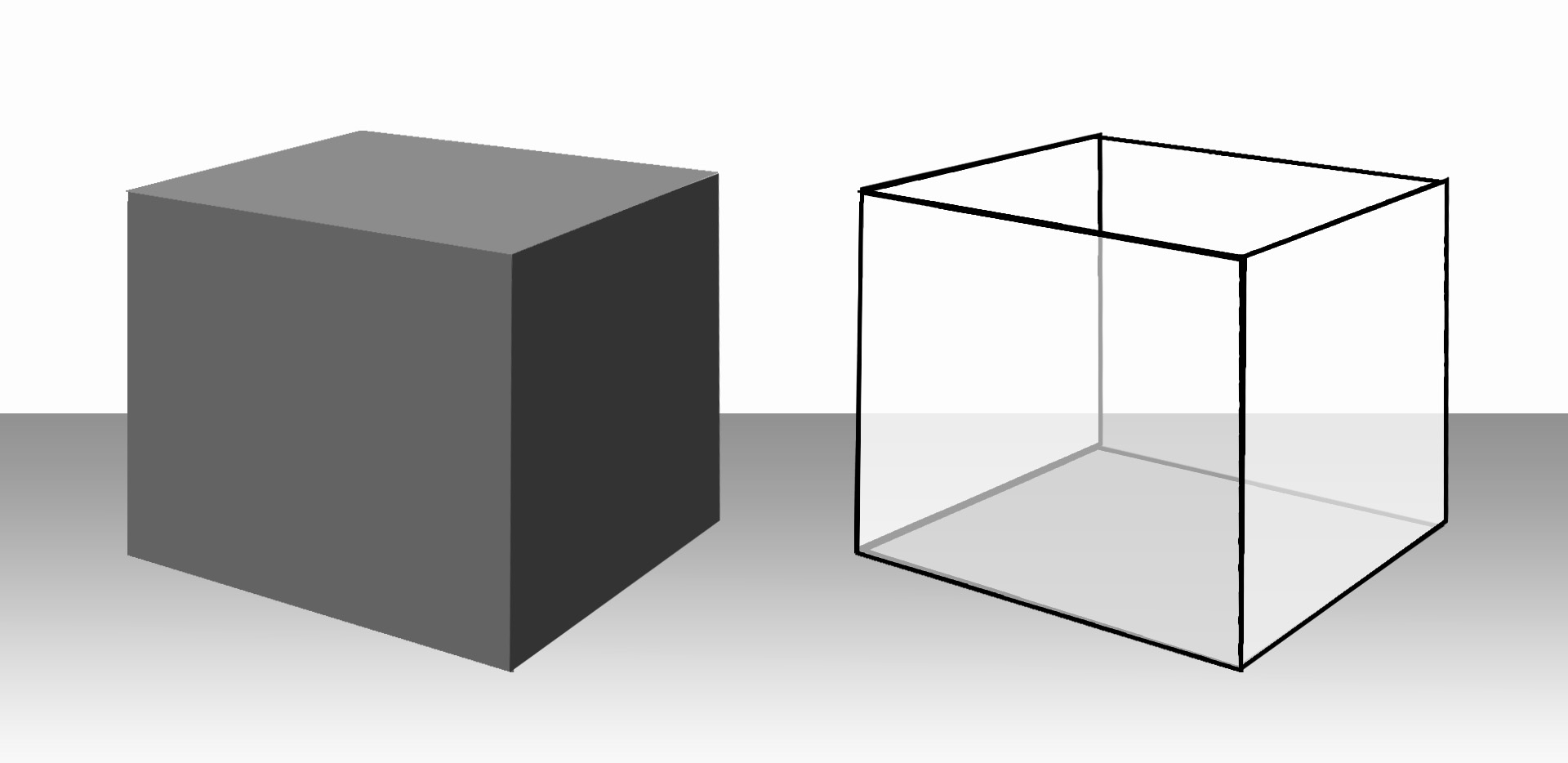
DS: Because biomass combustion is very complicated and not mathematically described I find that a random approach to experimental design can be productive. This is frequently referred to as the “Black Box” model. I asked Gemini AI about the use of Black Box vs. Open Box models.
Gemini AI: “Black box theory views a more random choice of experiment as a pragmatic compromise used when a system is too complex to fully understand.
Core Trade-Offs
Predictive Value: Black box models excel at predicting what will happen based on inputs. They fail to explain why it happens. Testing inputs and outputs is faster than mapping internal mechanisms. They can fail unexpectedly if hidden variables change.
When Black Box Productivity Wins
Complex Medicine: Testing if a drug works before understanding its exact molecular pathway.
Machine Learning: Using deep neural networks to predict things.
Early-Stage Research: Establishing that a phenomenon exists before funding microscopic analysis.
When Open-Box Productivity Wins
Causal Certainty: Proving a direct mechanism of action, preventing false correlations.
Generalization: Applying a discovered scientific law to new fields.
Troubleshooting: Fixing a faulty experiment by isolating the broken component.
Science uses a cyclical approach. A black box approach identifies patterns quickly and open-box inquiry later attempts to verify the underlying truth.”


Leave a Reply
Want to join the discussion?Feel free to contribute!