
What’s Cooking at Aprovecho

A Four-Nation Design Collaboration
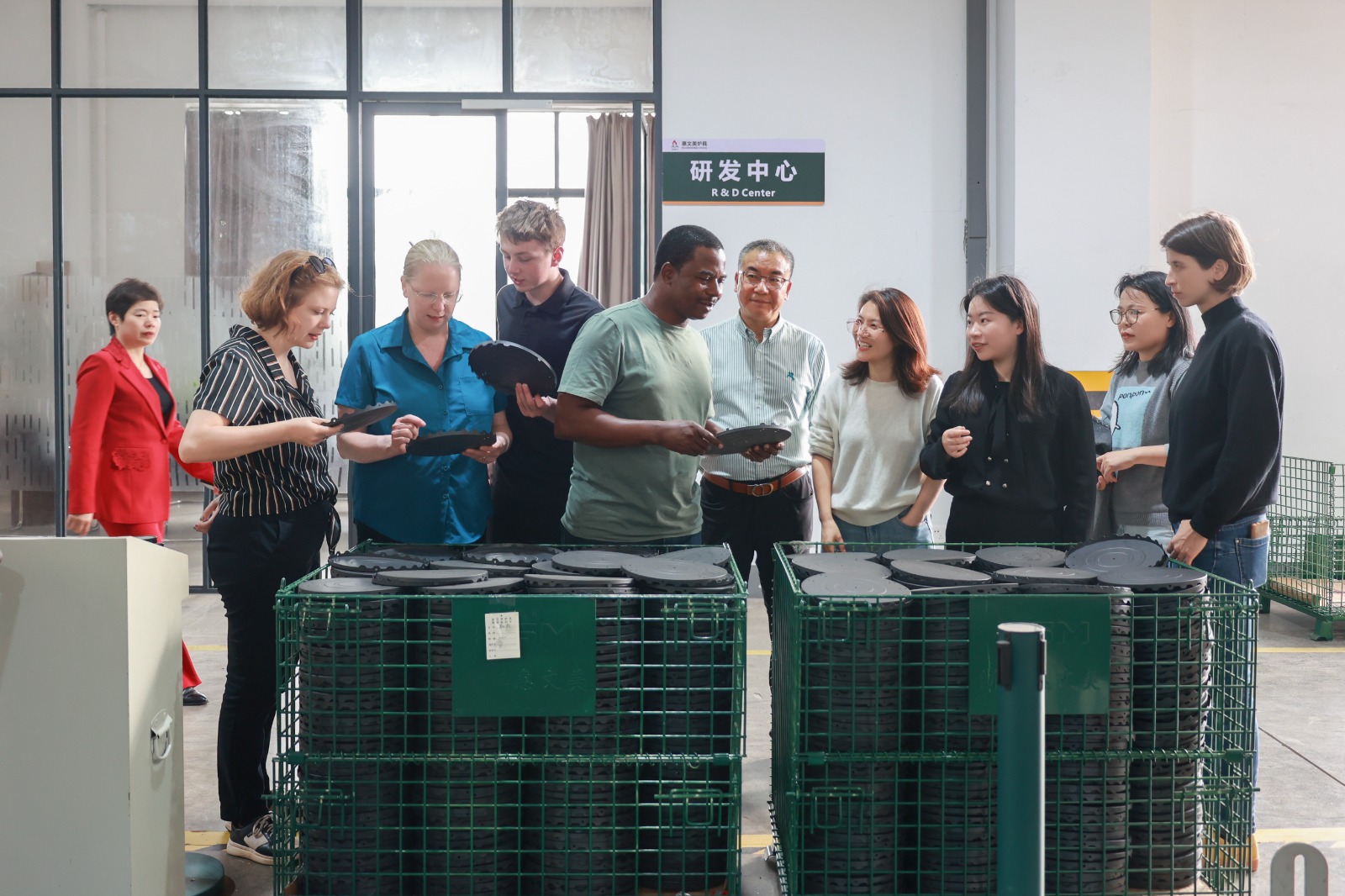
On their recent trip to SSM in Shengzhou, China, Nordica and Jaden were reminded that many minds are always better than one. SSM were gracious hosts to ARC, OffgridSun from Italy, and Tango Energy from Tanzania for a week. Together, they designed a stove for Tanzania that addressed cooks’ needs, had improved performance, and could be jointly manufactured at SSM and Tango Energy. Meeting in person turned a several-month-long process of emails and phone calls into a streamlined week of design. Maybe when it comes to stove design, there is no such thing as too many cooks in the kitchen.

ETHOS 2026
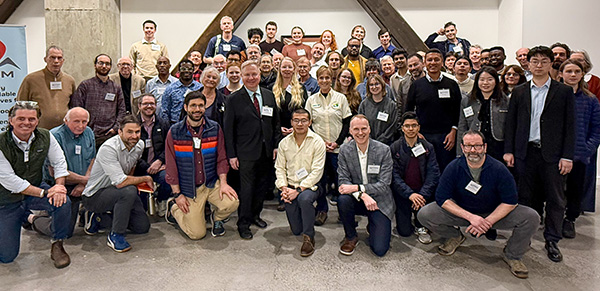
The ARC team attended another successful ETHOS conference, this year in Portland, Oregon. Sam and Dean hosted Stoves 101, providing a valuable crash course in cookstove design. We also presented on the effects of forced air in stoves, LEMS testing around the world, RTKC capacity building, and much more. ETHOS is always a great time for us to reflect on the work we did and what we learned throughout the year. It’s also wonderful to see what everyone else is working on.

LEMS Around the World: Now in Burundi
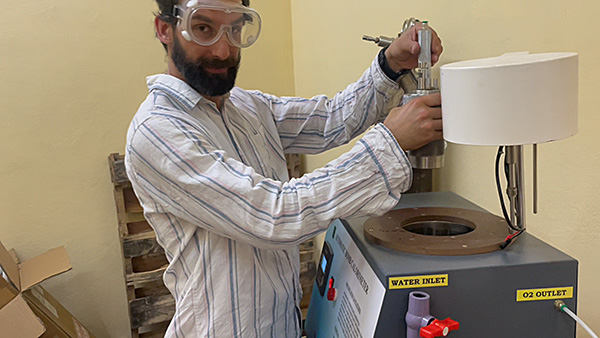
Our mission to ensure everywhere has the capability to perform stove emission testing continues. Sam traveled to Burundi where he set up a LEMS and trained (in French) a team at the Laboratoire de Biomasse et de Cuisson Propre et Économe/Université du Burundi. Over 10 ISO tests on various stove types were run with the lab team as well as lab CCTs, a vital test to measure stove performance while performing a cooking task. ARC is now working to add CCT capabilities to their open-source data processing software.

Working in another language takes patience but it allows ARC to work in cross-cultural settings where lab testing, stove design, and market testing come together.
Cook Stoves for Ethos

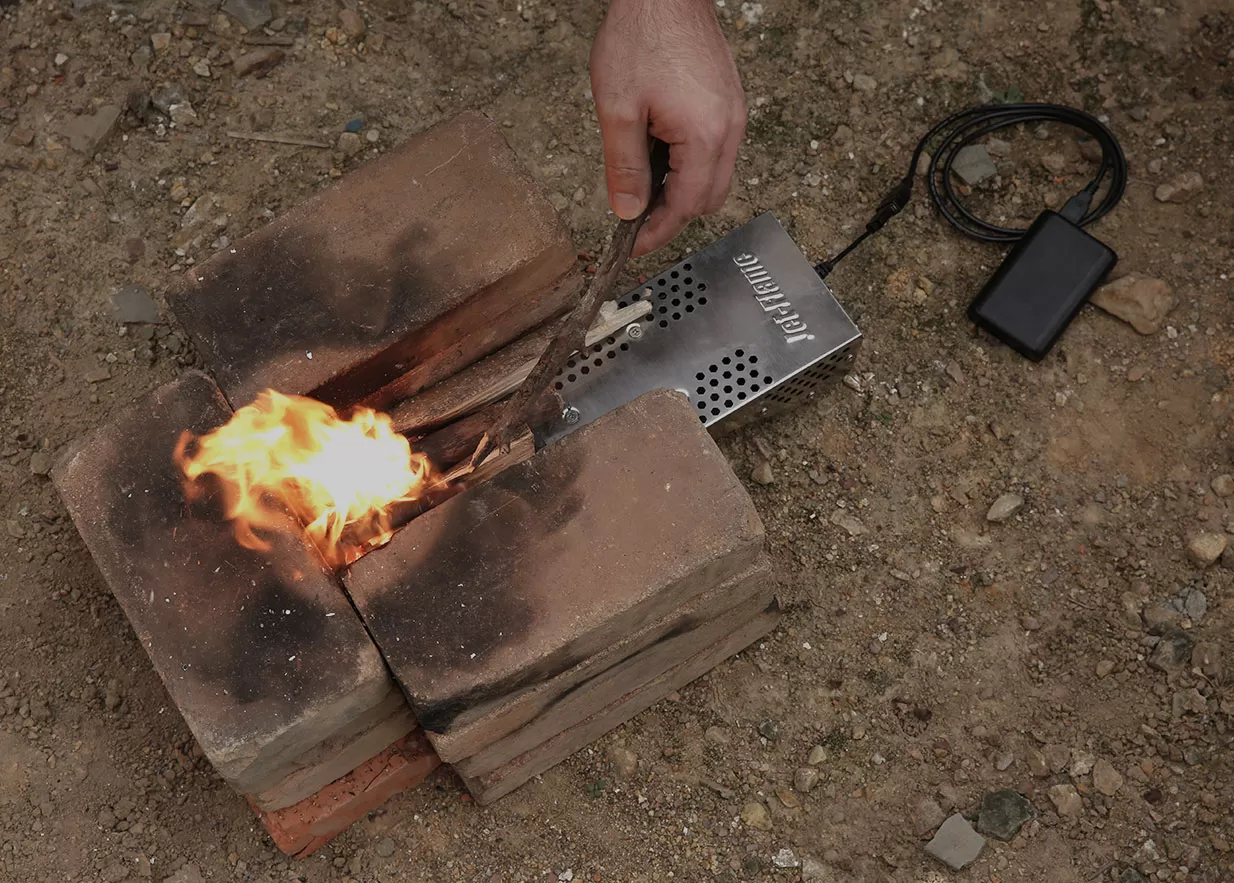
An open fire Jet-Flame?

We have been at Shengzhou Stove Manufacturer this November working on cookstoves for display at the annual ETHOS conference including:

  • Natural draft TLUD
  • Forced draft TLUD
  • Natural draft Rocket stoves
  • Open fire Jet-Flame

If stove projects do not have capable stoves, then project goals will not be met in the same way that some carbon credit projects fail to meet their impact goals when evaluated by fact checkers.

When I think about stoves and factor in low PM2.5 and Black Carbon, I worry that only found fuels will be available in large enough supply to make a significant difference. And the only technology that I imagine can cleanly burn biomass covered with bark is the open fire Jet-Flame.

So, as we get ready for ETHOS, we are trying to reduce costs, etc. in the Jet-Flame while we also concentrate on the three other stoves listed above.

Justa, Dos por Tres, Patsari Stoves!

Dos por Tres Stove with Chimney, photo courtesy of Proyecto Mirador

During an ETHOS panel discussion on Cooking, Health, and Climate, it was great to see that the Justa stove with chimney protected health so well. Chimneys are mandated by law in the USA/Europe/China and many other countries. When Mahatma Gandhi returned to India from England he introduced chimneys as a logical upgrade of kitchens.

The WHO (2018) listed five prescriptions to protect health:

  1.  Use only clean household energy when available 
  2. While waiting for gas, use technologies like low-emission biomass cook stoves
  3. Minimize the time children spend around smoky fires
  4. Increase ventilation
  5. Install a chimney

Functional chimneys are the historical first step to protect health.  It’s so pleasant to sit and chat in the clean kitchen when a Justa, Dos por Tres, or Patsari stove is being used! Following up with improved combustion efficiency helps to protect climate and outdoor air quality.

A Justa Stove with chimney, photo courtesy of Stove Team International

Video Overview of Clean Burning Biomass Cookstoves 2021

It can be challenging to find the time to read a book so here’s a ten-minute video introduction to “Clean Burning Biomass Cookstoves” (2020), our recent updating of the 2015 edition. Download the book for free on the publications page. We spent a significant part of last year rewriting most of the book trying to put in one place pretty much everything that ARC has learned in the last five years. The plan is to do the same in 2025.

The summary includes:

  • The energy ladder and renewable biomass
  • Fire is investigated in the lab
  • Stoves are designed by cooks in the field
  • Factories tell us how to help them
  • Chimneys and air exchange rates protect health
  • A new outside air model helps to predict PM2.5
  • Increasing heat transfer efficiency! No problem
  • Residence time is shorter than previously imagined
  • Metering and mixing get us most of the way to cleaner combustion
  • There are great new stoves!
  • Let’s move faster